REVIEW
Socratic Metaphysics
Prior’s chapter, its five opponents — and what the Euthyphro is actually committed to
Ti Esti What is it?
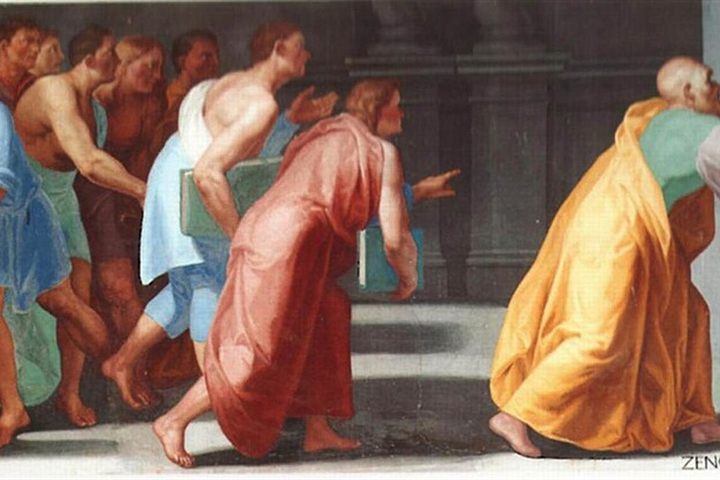
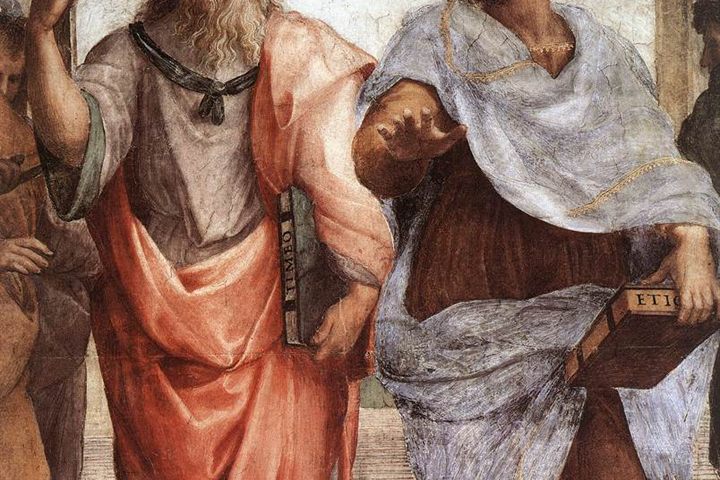
Raphael, The School of Athens, 1509–11
Chronology, the elenchus, the priority of definition, and the introduction of the Forms — read from the primary literature.
These are working research documents, not finished publications. Each is self-contained: quotations carry their page, sources are listed at the end, and claims that are mine rather than a cited author’s are marked as such.
Several are long. Each opens with a map of its own argument, and most carry an interactive tree of the whole structure at the end.
Book- and chapter-length reviews of the secondary literature.
Prior’s chapter, its five opponents — and what the Euthyphro is actually committed to
What changes across the dialogues — and what the change is evidence of
Standalone arguments, drafted for submission.
Nails, Thesleff, and the state of Platonic developmentalism
two regresses in the Socratic priority of definition
the paradox of analysis and the Socratic ti esti question
the priority of definition and the regress of erotetic presuppositions
The long working documents each project grew out of.
Whether it is Plato’s, when he wrote it, and what 48e–52d does: the what-is-it test run on fire, water, earth and air, the receptacle, and the one argument for the Forms’ existence
The criterion he does set, the swimming pool, and the page that is quoted by half
One question, asked from the inside — and the four problems packed inside it, each followed until it either resolved against a text or opened onto ground the literature has not covered.
What changes across the dialogues — and what the change is evidence of
One method, one disavowal, and the debt that only the Forms can settle
Short pieces: corrections, comparisons, single findings.
Why “What is F?” does not by itself give you a Form: the five steps that get you there, the two claims Plato leaves unargued in the middle dialogues, and the one place he states them as a conclusion
Your proposal is Belnap and Steel's own equivalence-question — the form Benson calls the accurate one and then sets aside. It is right, and it makes the problem worse.
Meno 78d–79e in Plato's own words, Benson's use of Belnap and Steel, and what a Belnap matrix is not .
Six formulations of the paradox of analysis, set side by side — and the objection reformulated so that it stands in the same family and can be argued with.
Literature surveys and collected passages.
Everything the literature says about the paradox of analysis — and the exact point at which it stops short of the Socratic “What is F?” question.
The problem of the elenchus, 1983–2009, in the order and under the headings of David Wolfsdorf’s survey — with each scholar’s own words set beside it.
Where to start, and in what order.
A Study of Plato’s Metaphysics
A Riddle Resolved
From Socratic definitions to pure standards and explanatory Forms
From step zero to the synthesis — what to read, in what order, and which pages
Plato's metaphysics and epistemology — what the field actually argues with
You know Kant, Frege, Quine, Kripke. You know the words Forms , ideal world , allegory of the cave — and not what they mean. This is the shortest honest route from there to reading the scholarship in your folder.
Three steps: Plato needs definitions; definitions with an ontological dimension become Forms; Forms need a receptacle to give rise to sensibles. Each branch gives the short answer first, then the books behind it.
Structure at a glance.
Three tests, all failed — and what follows for reading Plato
mind map
Your diagram, rebuilt from Fine's Introduction — where every scholar actually stands
Where Fine actually belongs — and what goes in the slot you gave her
Brill’s Companion to the Reception of Socrates, ed. Christopher Moore (Brill, 2019), ch. 1, pp. 41–74 · argument map in the form if a,b,c,d… then P
Comparisons, disputes and method notes.
එක් ක්රමවේදයක්, එක් දැනුම‑ප්රතික්ෂේපයක්, සහ ආකෘති (Forms) හැර වෙන කිසිවකට ගෙවිය නොහැකි ණයක්

Nozick's challenge, Fine's reply, and where both sit on the Vlastos–Irwin axis
How the Forms become necessary — traced through three chapters

Vlastos's case, move by move — and the texts that carry it
ග්රෙගරි ව්ලාස්ටොස්ගේ තර්කයේ ව්යුහය — සිංහලෙන්
Now the real disagreement is on the table
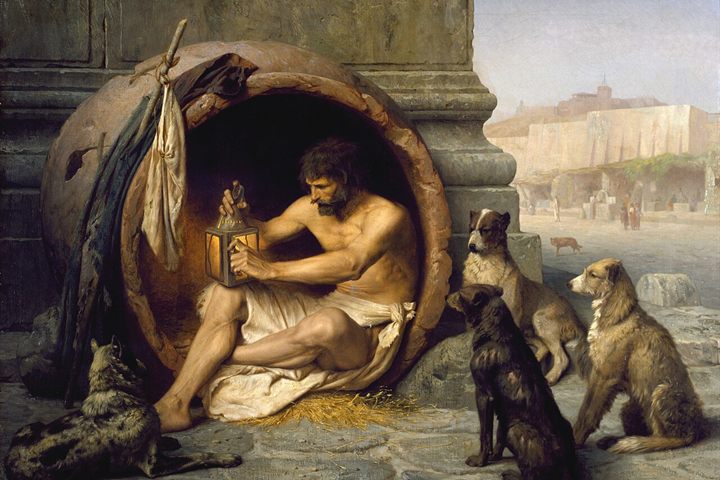
Two accounts of the theory of Forms — and they are not the two sides you expect
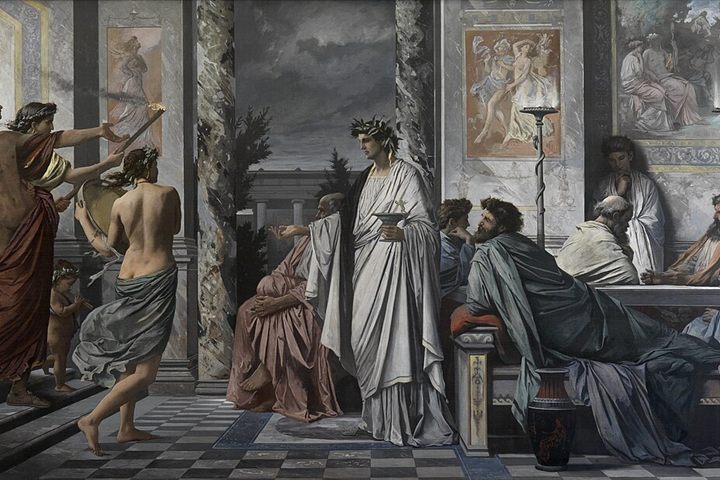
What Plato's theory actually claims, and what it does not
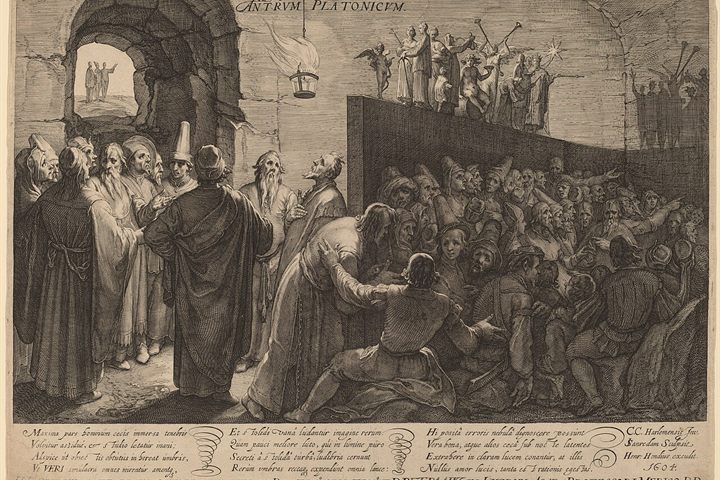
The argument of the Introduction, stage by stage
You asked whether she says the same thing in both introductions. She answers that herself, in print — and the answer is yes, deliberately, with three additions . What follows is the machinery: where she starts, how she reconstructs an argument, how she cites Plato, and how she handles people who disagree.
You asked me to open out one line from the anthology. Here is the dispute properly done — every position taken from the actual text of the book it comes from, with what each one commits you to and who it is fighting. Two of them correct what I originally wrote.
Seven problems, in his words and theirs