Five corpora, each written up in full: the Socratic question in Plato, the first certainty in Descartes, what the posits of an abstract theory are made of, what a model of a thalamic circuit learns about its insides, and what makes a self in Friston’s active inference.
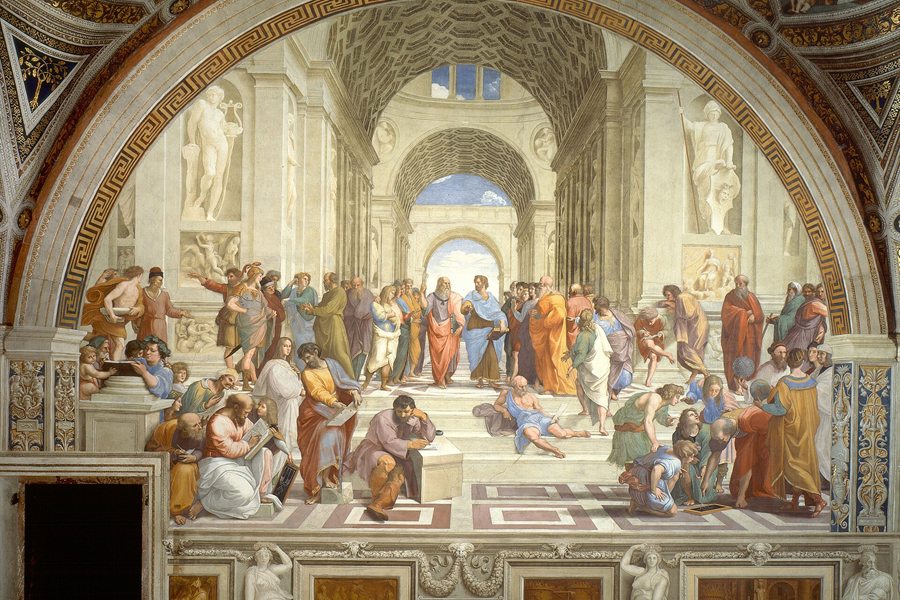
Plato and the Socratic Question
Chronology, the elenchus, the priority of definition, and the introduction of the Forms — read from the primary literature.
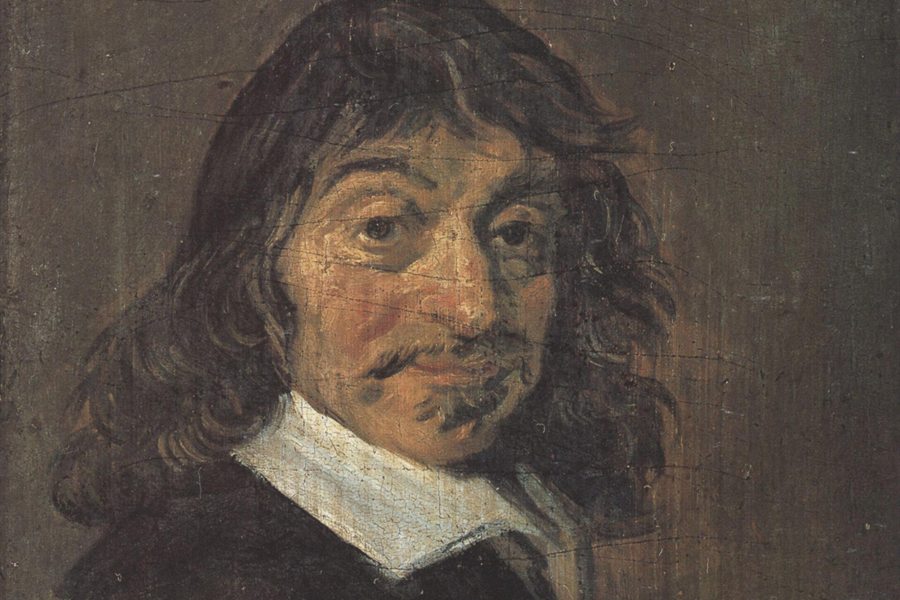
Nine research chats, reviewed
The method of doubt, the immunity of the cogito, Hintikka on performance, Dicker on substance, Alquié and Gueroult, and what stands before the cogito.
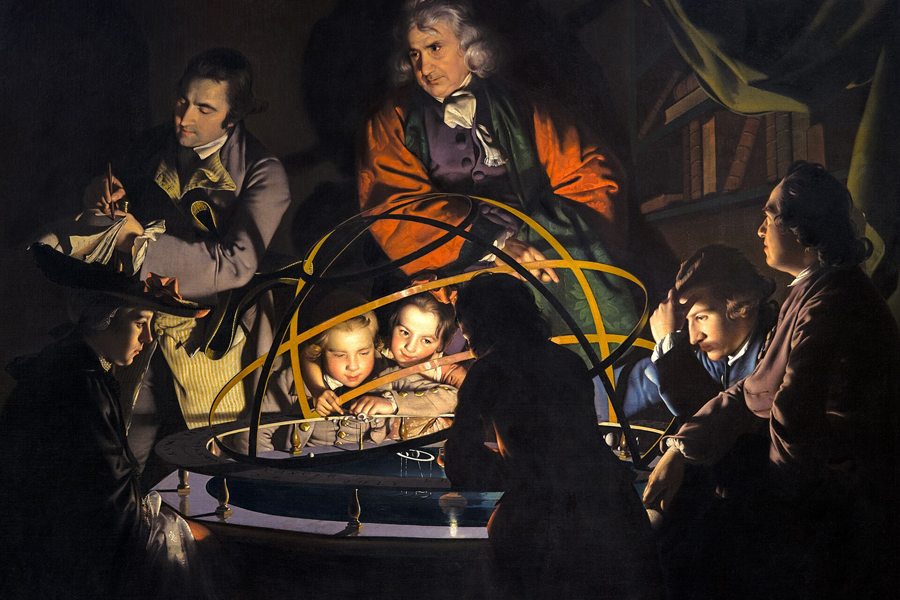
What a posit is made of
Whether a theory’s unseen posits are earned by its predictions: money against gravity, the architecture physics and the humanities share, and what is left holding a pattern when prediction settles nothing.
What the surrogate knows
Whether a model that predicts the spikes of Le Masson’s hybrid thalamic circuit has learned anything of what is inside it: the Neural ODE, the zombie default, and the limits of recovery.
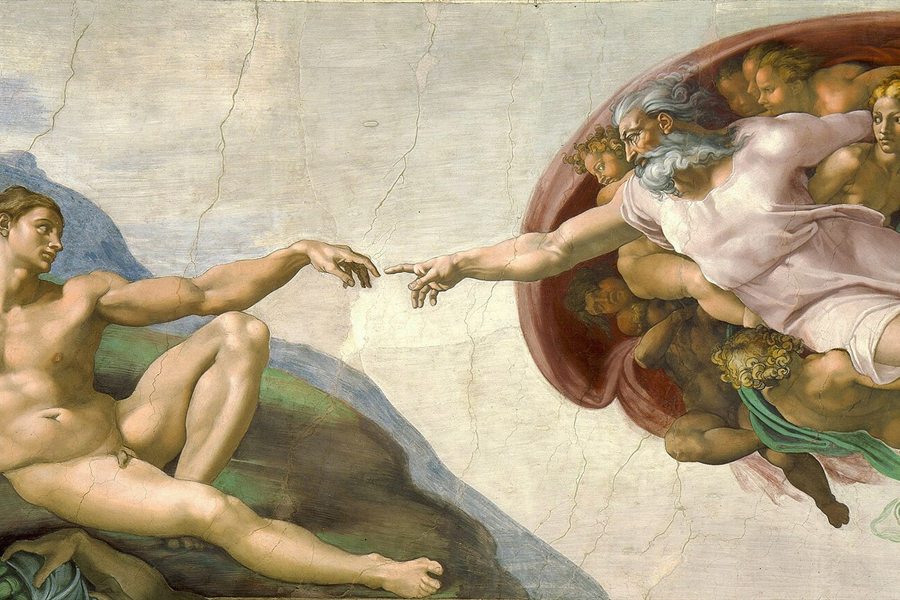
What makes a self
COGITO read against Karl Friston’s active inference: a self that begins without language, is made by meeting another of its kind, and is checked by a reverse Turing test in which the machine is the judge.