Anatomy

Of an abstract theory what is a posit made of?

Joseph Wright of Derby, A Philosopher Lecturing on the Orrery, 1766

6 conversations · 1 study guide · 1 dialogue

Anatomy of an Abstract Theory

Whether a theory’s unseen posits are earned by its predictions — and what is left holding a pattern when they are not.

These are conversations, not finished essays. Each page gives the questions as they were asked and the answers as they were given, with the research reports they produced, the sources they lean on, and a map of the argument.

They run as one line of inquiry: whether the unseen posits of a theory are earned by what it predicts, whether physics and the humanities build them the same way, and what is left holding a pattern when prediction turns out to settle nothing.

Quentin Meillassoux is cited throughout, so a chapter-by-chapter study guide to his After Finitude follows the conversations, with a dialogue that tests his argument from inside the correlationist circle.
Where it began

Money against gravity, Popper and the humanities, and the question the rest of the series answers.

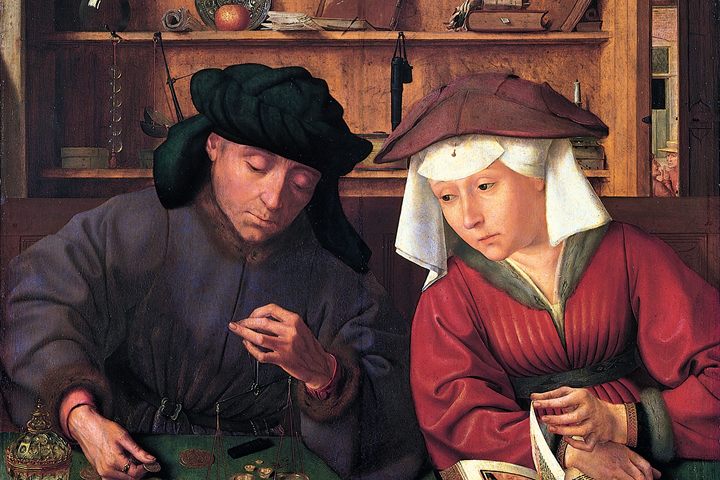
Quentin Massys, The Moneylender and His Wife, 1514
CONVERSATION

Money, Gravity and the Posit

Where the project began: money against gravity, Popper and the humanities, the anatomy of an abstract theory, four research reports, Psillos, and a machine that predicts without posits — twenty-three questions and their answers

Read 187 KB

The anatomy

Whether physics and the humanities share one architecture for their posits, and where that architecture breaks.

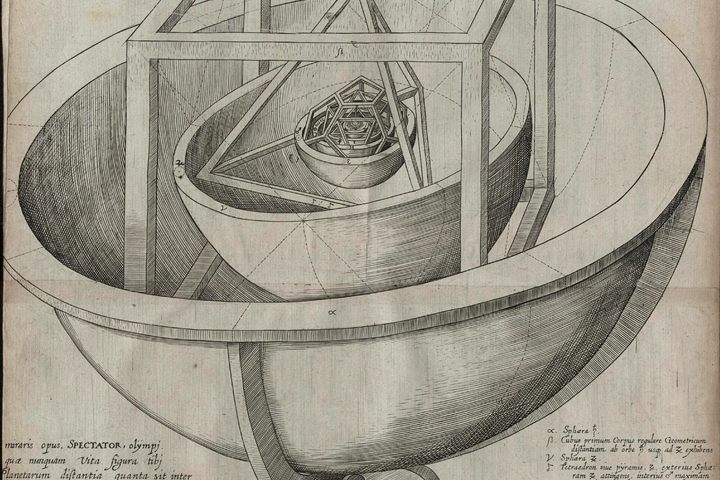
Johannes Kepler, the planetary model of the Mysterium Cosmographicum, 1596
CONVERSATION

The Conceptual Anatomy of Theoretical Posits

A research run on one question: whether physics and the humanities share one architecture for their posits, and where that architecture breaks — one request and the report it produced

Read 110 KB
William Blake, Newton, 1795
CONVERSATION

Opus 4.8 on the Anatomy

A critical reading of the earlier answers to the anatomy question, and the research prompt that led to the essay on getting it right without a hidden world — four questions and their answers

Read 79 KB

Prediction, and what holds

What predictive success earns a theory, what it cannot settle, and what survives an endless regress of observers.

Giovanni Battista Piranesi, The Drawbridge, from Carceri d’invenzione, c. 1750
CONVERSATION

Posits, Prediction and What Keeps a Pattern Holding

Whether a theory’s unseen posits are earned by its predictions: gravity, a mango tree, Meillassoux, hegemony and the invisible god, and a review of two research reports — nine questions and their answers

Read 130 KB
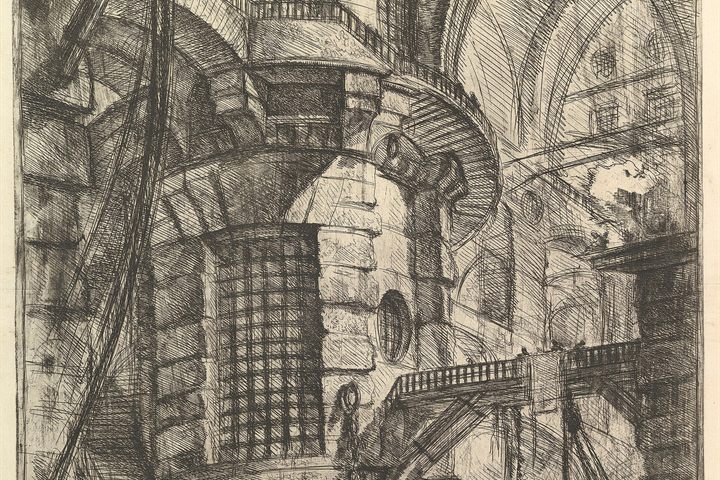
Giovanni Battista Piranesi, The Round Tower, from Carceri d’invenzione, c. 1750
CONVERSATION

The Vat Tower

An endless tower of brains in vats, and what still refers to one act of eating a cake at every level — four questions and their answers

Read 52 KB

Companion reading

Meillassoux’s After Finitude, read chapter by chapter and then argued with from inside the correlationist circle.